
Nepali Culinary Traditions & Dhido
20 Aug 2026 Alpine Asian Treks
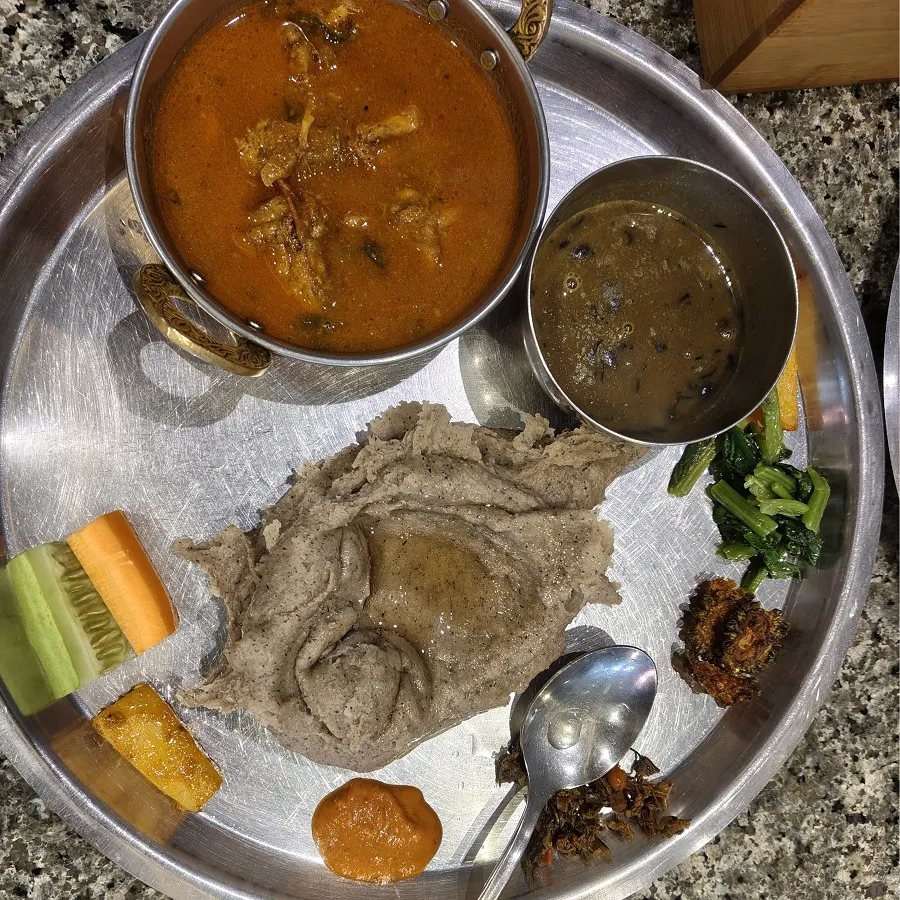
While Dal Bhat remains Nepal’s national daily meal, the country offers a diverse culinary landscape anchored by Dhido a traditional, thick grain dough made from nutrient-rich millet, buckwheat, or cornmeal. Packed with high fiber and essential minerals, Dhido has transformed from a humble mountain staple into a celebrated, health-conscious superfood. Visitors can easily order Dhido across Kathmandu, Pokhara, and Himalayan teahouses, enjoying it the authentic way: pinching a warm morsel with the right hand, dipping it into savory curry or melted ghee, and swallowing it without chewing for a comforting, authentic taste of local culture. Nepali Culinary Traditions & Dhido offer travelers an authentic introduction to the country’s diverse food culture.
Understanding Nepali Culinary Traditions & Dhido
Nepali Culinary Traditions & Dhido are deeply connected to Nepal’s geography, farming practices, and cultural heritage. Dhido is a classic traditional staple prepared by continuously stirring flour made from millet, buckwheat, cornmeal, or wheat into boiling water until it reaches a thick, smooth, and gooey consistency. Historically, especially in the mid-hills and mountain regions, families whose annual rice harvests fell short relied on Dhido as a vital daily source of energy.
While once viewed as a humble food of hardship, Dhido has experienced a massive cultural resurgence. With modern urban lifestyles bringing health considerations like diabetes, high blood pressure, and high uric acid to the forefront, nutrient-rich and high-fiber diets have become essential. Because millet, corn, and buckwheat are naturally rich in fiber and minerals, urban residents and health-conscious travelers now regularly enjoy Dhido as a nutritious and delicious choice. This renewed appreciation is an important part of Nepali Culinary Traditions & Dhido.
Popular Types of Dhido in Nepal
Millet Dhido (Kodo ko Dhido):
Prepared from finger millet grown on terraced hill slopes. Exceptionally rich in fiber and minerals, it is traditionally served with fresh leafy greens (Saag), spicy chicken curry, or a warm dollop of pure ghee.
Buckwheat Dhido (Fapar ko Dhido): Made from high-altitude buckwheat grown in the upper hill and Himalayan regions. It features a distinct, earthy, nutty flavor and high nutritional content.
Cornmeal Dhido (Makai ko Dhido):
Because maize thrives from the lowland Terai to the mid-hills, cornmeal Dhido is widely accessible and popular across Nepal.
Wheat Dhido (Gahu ko Dhido): Wheat is Nepal’s second major cereal crop after rice. Because refined wheat flour has lower fiber, it is commonly blended with ground corn, millet, or buckwheat to create a balanced texture and flavor.
Other Traditional Varieties: Dhido is also prepared using indigenous grains such as sorghum (Junelo), foxtail millet (Kaguno), and barley (Jau).
Can Travelers Eat Dhido?
Absolutely! Trying Dhido is a must-experience highlight for anyone visiting Nepal. It is widely available in traditional Nepali restaurants in major cities like Kathmandu and Pokhara, as well as in local teahouses along Himalayan trekking routes. Nepali Culinary Traditions & Dhido make this traditional meal especially interesting for visitors looking to experience authentic Nepali cuisine.
It is naturally vegetarian-friendly when paired with vegetable curries, lentil soups, or leafy greens, making it a wholesome and comforting meal after a long day of touring or trekking.
Tips for First Time Visitors to eat Dhindo:
Eat with Your Right Hand: Traditionally, Dhido is enjoyed using your fingers.
Pinch and Dip: Take a small portion from the edge of the warm mound, roll or shape it slightly with your fingers, dip it into liquid gravy (such as chicken curry, vegetable soup, or melt-in-your-mouth ghee), and swallow it directly.
Do Not Chew: Because Dhido is soft and sticky, the authentic way to eat it is to swallow small morsels without heavy chewing.
Utensils Available: While trying it by hand adds to the authentic cultural experience, almost all restaurants and teahouses gladly provide spoons and forks upon request. The traditional eating style is an important element of Nepali Culinary Traditions & Dhido.
Where to Find Dhido
Whether you are exploring the heritage sites of Kathmandu, relaxing by the lake in Pokhara, enjoying a jungle safari in Chitwan, or trekking the mountain trails of Annapurna, Everest, Langtang, or Manaslu, Dhido is readily available across local dining spots and teahouses. Exploring these food experiences is one of the best ways to understand Nepali Culinary Traditions & Dhido beyond the major tourist attractions.
Dal Bhat, The National Meal of Nepal
No discussion of Nepali food is complete without Dal Bhat. Consumed daily from the southern plains to the high Himalayas, a standard set includes:
Bhat: Steamed rice
Dal: Seasoned lentil soup
Tarkari: Seasonal vegetable curryAchar: Fresh or fermented spicy pickles
Saag: Stir-fried leafy green vegetables
Curry (Optional): Mutton, chicken, or fish curry
It serves as a complete, nutritionally balanced meal offering an ideal mix of carbohydrates, proteins, healthy fats, and vitamins to fuel long daily activities. Together with Dhido, it represents the variety found in Nepali Culinary Traditions & Dhido.
Regional Cuisines Across Nepal
Region Primary Staples Common Dishes & Dietary Highlights
The Terai (Southern Plains): Rice, wheat, corn, lentils, fresh produce Heavy reliance on Dal Bhat and Chapati (flatbreads); fresh vegetables; Dhido is rarely eaten here.
In the Mid-Hills: Rice, corn, wheat, millet, potatoes Paddy yields vary on hill slopes, so diets are balanced with corn and grains. Popular dishes include Dal Bhat, MoMo, Dhido, Roti, and local noodle soups.
The Himalayas Region: Buckwheat, barley, potatoes, hardy legumes Harsh climates restrict grain farming. The diet relies on mountain livestock for milk, curd, buttermilk, and meat. Key foods include MoMo, Thenthuk (noodle soup), hot stews, and Tsampa (roasted barley flour). These regional differences help define Nepali Culinary Traditions & Dhido.
Meat & Dairy Traditions
Meats Consumed: Commonly available meats include goat, castrated goat, mountain goat (Chyangra), chicken, pork, and water buffalo. Because Nepal has a Hindu-majority heritage, beef is strictly prohibited.
High-Altitude Meats: In the high Himalayas, meat from yak, sheep, and mountain goats provides critical energy and body warmth during freezing winters.
Regional Produce of Fruit in Nepal
Terai: Tropical fruits and vegetables dominate, including mangoes, lychee, jackfruit, bananas, papayas, gourds, eggplants, and radishes.
Mid-Hills: Famed for citrus crops like sweet oranges (Suntala), wild lemons (Jyamir), peaches, plums, pole beans, chayote squash (Skus), and mustard greens.
Himalayan region: Renowned for world-class high-altitude apples (especially from Mustang and Jumla), cold-hardy leafy greens, mountain berries, and varieties of potatoes. These ingredients contribute to the richness of Nepali Culinary Traditions & Dhido.
Daily Meal Patterns & Dining Culture
Morning Meal (8:00 AM – 9:00 AM): A substantial serving of Dal Bhat eaten before starting farm work, office hours, or school.
Afternoon Snack (Khaja): A light mid-day meal enjoyed at work, school, or while out in the fields.
Evening Dinner (6:00 PM – 7:00 PM): Families gather at home for a freshly prepared hot meal. These everyday practices are central to Nepali Culinary Traditions & Dhido.
Kitchen & Household Etiquette
Kathmandu Valley: Traditional Newar homes place the kitchen (Bhansa) on the top floor to maximize sunlight, ensure ventilation, and keep cooking smoke out of living quarters.
Brahmin & Chhetri Households: Kitchens traditionally adhere to strict guidelines of cleanliness, where cooking areas are carefully maintained.
Mountain & Ethnic Communities: Central hearths serve as communal gathering places where family and guests sit together around the warm fire to cook, eat, and converse. Such traditions provide valuable context for Nepali Culinary Traditions & Dhido.
Dairy Staples: Cows and water buffaloes are central to rural farming. Fresh milk is processed into daily staples like curd (Dahi), buttermilk (Mahi), clarified butter (Ghee), soft cheese, and hard yak/cow cheese (Chhurpi).
Festive Delicacies
Special treats are prepared during major festivals such as Dashain, Tihar, and Teej, or to welcome honored guests:
Sel Roti: A traditional ring-shaped rice donut, crispy on the outside and soft inside, fried in ghee or oil.
Kheer: Creamy sweet rice pudding slow-cooked with milk, ghee, cardamom, cashew nuts, and raisins.
Kurauoni: Whole milk boiled down into a rich, sweet reduction.
Haluwa Puri: Semolina sweet cooked in ghee, served alongside puffy deep-fried flatbreads.
Chiura (Beaten Rice): Parboiled paddy roasted and pounded flat; served as a crisp side dish or snack across celebrations.
Chamre: Fragrant rice cooked with ghee and subtle warm spices. These foods complement the broader story of Nepali Culinary Traditions & Dhido.
Plan Your Culinary Journey in Nepal
Experiencing authentic local flavors and home-cooked meals is one of the richest ways to connect with Nepal’s culture. Learning about Nepali Culinary Traditions & Dhido allows travelers to experience food as an important part of everyday life, heritage, and hospitality.
Cultural Immersion: Join our 7-Day Nepal Cultural Tour with Homestay to live with local families, share daily routines, and taste traditional home cooking firsthand.
Hands-on Cooking: Learn secret spice blends and classic technique with our Authentic Nepali Cooking Class in Kathmandu.
A Cultural homestay experience in Kathmandu: Green Eco Resort
Contact us today to tailor your travel and food itinerary in Nepal!