Altitude Sickness: Symptoms, Prevention & Treatment
6 Aug 2026 Alpine Asian Treks
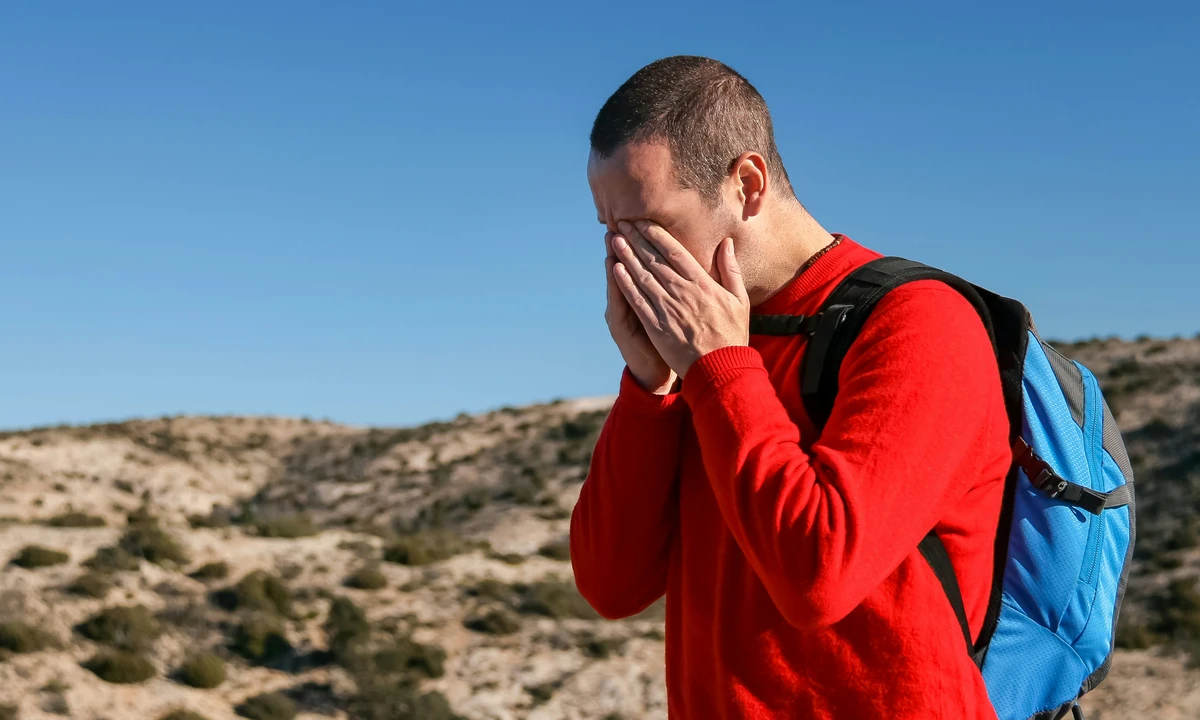
Altitude sickness occurs when the body struggles to adapt to lower oxygen levels at high elevations, typically above 2,500 meters. Common symptoms include headaches, nausea, and fatigue. If ignored, it can progress into life-threatening conditions like pulmonary or cerebral edema, requiring immediate descent and urgent medical attention.
Prevention relies on gradual ascent, proper hydration, and scheduled acclimatization days to allow the body to adjust naturally. Trekkers should maintain a steady pace, avoid alcohol, and monitor early warning signs. Professional guides and comprehensive travel insurance are essential for safely managing health risks during high-altitude Himalayan expeditions.
Altitude Sickness: Symptoms, Prevention & Treatment
Planning a trek in the Himalayas is an exciting experience, whether you’re heading to Everest Base Camp, Annapurna Base Camp, Langtang Valley, or another high-altitude destination. However, one challenge every trekker should understand before setting out is Altitude Sickness. While Nepal’s mountains offer breathtaking scenery and unforgettable adventures, the thin air at higher elevations can affect anyone, regardless of age or fitness level. The good news is that Altitude Sickness is largely preventable with proper preparation, gradual ascent, and awareness of the warning signs.
Knowing how to recognize the symptoms early and respond appropriately can make the difference between completing your trek safely and facing a medical emergency. In this guide, you’ll learn what Altitude Sickness is, why it happens, its symptoms, prevention tips, treatment options, and practical advice to help you enjoy a safe trekking experience in Nepal.
What Is Altitude Sickness?
Altitude Sickness, also known as Acute Mountain Sickness (AMS), occurs when your body struggles to adjust to lower oxygen levels at higher elevations. As you climb higher into the mountains, air pressure decreases, meaning each breath contains less oxygen than at sea level. Most trekkers begin to notice the effects of altitude after reaching around 2,500 meters (8,200 feet). The higher you climb, the greater the risk becomes if your body does not have enough time to acclimatize. Although Altitude Sickness can affect anyone, most cases are mild and improve with rest and proper acclimatization. However, if ignored, it can progress into more serious conditions that require immediate medical attention.
Why Does Altitude Sickness Happen?
At high elevations, the amount of oxygen available in the air decreases significantly. Your body responds by increasing your breathing rate and heart rate to deliver enough oxygen to your muscles and organs. When you ascend too quickly, your body may not have enough time to adapt. This lack of acclimatization is the primary cause of Altitude Sickness.
Several factors can increase your risk, including:
- Rapid ascent without proper acclimatization
- Sleeping at high elevations too quickly
- Previous history of altitude sickness
- Overexertion during the first days of trekking
- Dehydration
- Alcohol consumption
- Smoking
- Poor sleep
Contrary to popular belief, being physically fit does not make someone immune to Altitude Sickness. Even experienced athletes can develop symptoms if they ascend too rapidly.
Who Is Most at Risk?
Anyone traveling above 2,500 meters can develop Altitude Sickness, but certain trekkers face a higher risk. You may be more likely to experience altitude-related problems if you:
- Have never trekked at high altitude before
- Gain elevation too quickly
- Skip acclimatization days
- Ignore early symptoms
- Have experienced altitude sickness in the past
- Push yourself too hard during the trek
Many popular trekking routes in Nepal reach elevations where Altitude Sickness becomes a real concern, including:
- Everest Base Camp Trek
- Annapurna Base Camp Trek
- Annapurna Circuit Trek
- Langtang Valley Trek
- Manaslu Circuit Trek
- Gokyo Lakes Trek
Understanding the risks before starting your trek allows you to prepare more effectively.
Common Symptoms of Altitude Sickness
Recognizing the early signs of Altitude Sickness is one of the most important steps in staying safe during a trek. Symptoms usually appear within six to twenty-four hours after reaching a higher elevation. The most common symptoms include:
- Headache
- Dizziness
- Fatigue
- Loss of appetite
- Nausea
- Vomiting
- Difficulty sleeping
- Shortness of breath during activity
- Swollen hands or face
- General weakness
Most mild symptoms improve after resting at the same altitude for a day or two. Never ignore a headache at high altitude, especially if it becomes worse or is accompanied by nausea or dizziness.
Types of Altitude Sickness
There are three main forms of Altitude Sickness, ranging from mild to life-threatening.
1. Acute Mountain Sickness (AMS)
Acute Mountain Sickness is the most common type and the one most trekkers experience. Symptoms include:
- Mild headache
- Fat loss of energy
- Nausea
- Poor sleep
- Dizziness
With proper rest, hydration, and acclimatization, AMS often improves within 24 to 48 hours
2. High Altitude Pulmonary Edema (HAPE)
HAPE is a serious condition where fluid begins to collect in the lungs. Symptoms include:
- Severe shortness of breath
- Persistent cough
- Chest tightness
- Extreme fatigue
- Blue lips or fingernails
- Difficulty walking
HAPE is a medical emergency. Immediate descent and emergency medical treatment are essential.
3. High Altitude Cerebral Edema (HACE)
HACE is the most dangerous form of Altitude Sickness. It occurs when the brain begins to swell because of the lack of oxygen. Symptoms include:
- Confusion
- Loss of coordination
- Difficulty walking
- Slurred speech
- Severe headache
- Hallucinations
- Unconsciousness
Without immediate treatment, HACE can become fatal.
How to Recognize Early Warning Signs
One of the biggest mistakes trekkers make is assuming their symptoms are simply caused by tiredness. Pay close attention if you experience:
- A headache that does not improve with rest
- Feeling unusually weak
- Difficulty keeping up with your group
- Loss of appetite
- Trouble sleeping
- Persistent nausea
These symptoms may seem minor, but they are often the first signs of Altitude Sickness. The golden rule of high-altitude trekking is simple:
Never climb higher if your symptoms are getting worse.
Rest, monitor your condition, and descend if symptoms do not improve.
How High Is Too High?
The risk of Altitude Sickness increases significantly above:
| Altitude | Risk Level |
|---|---|
| Below 2,500 m | Very Low |
| 2,500–3,500 m | Moderate |
| 3,500–5,000 m | High |
| Above 5,000 m | Very High |
Many famous trekking destinations in Nepal exceed 5,000 meters, making proper acclimatization absolutely essential.
For example:
- Everest Base Camp – 5,364 m
- Kala Patthar – 5,545 m
- Thorong La Pass – 5,416 m
- Gokyo Ri – 5,357 m
- Tserko Ri – 4,984 m
Even experienced trekkers should never underestimate the effects of altitude.
Why Acclimatization Matters
Acclimatization is your body’s natural process of adapting to lower oxygen levels. Giving your body enough time to adjust greatly reduces the risk of Altitude Sickness. Most trekking itineraries in Nepal include planned acclimatization days at key elevations. During these rest days, trekkers often take short hikes to a higher point before returning to sleep at a lower altitude. This “climb high, sleep low” approach helps the body adapt more effectively. Skipping acclimatization days to save time may seem tempting, but it can significantly increase the risk of developing Altitude Sickness and may even force you to end your trek early.
How to Prevent Altitude Sickness
The best way to deal with Altitude Sickness is to prevent it before symptoms appear. While no method can completely eliminate the risk, following a few simple guidelines can significantly reduce your chances of becoming ill.
Ascend Gradually
Climbing too quickly is the leading cause of Altitude Sickness. Once you are above 2,500 meters, avoid gaining more than 300-500 meters in sleeping altitude per day whenever possible. A slower pace allows your body to adapt naturally to lower oxygen levels.
Take Acclimatization Days
Most well-planned trekking itineraries include one or two acclimatization days. These rest days are essential, especially on high-altitude routes such as the Everest Base Camp Trek, Annapurna Circuit Trek, and Manaslu Circuit Trek. Use these days to rest, take a short hike to a higher point, and return to sleep at the same altitude.
Stay Hydrated
Dehydration can worsen the symptoms of Altitude Sickness. Drink at least 3-4 liters of water each day while trekking. Herbal tea, soup, and electrolyte drinks can also help maintain hydration. A simple way to check your hydration is to ensure your urine remains light yellow in color.
Eat Nutritious Meals
Your body needs extra energy at high altitude. Focus on carbohydrate-rich meals such as rice, potatoes, pasta, noodles, and the traditional Nepali meal, Dal Bhat. Even if your appetite decreases, try to eat regularly to maintain your energy levels.
Avoid Alcohol and Smoking
Alcohol and smoking reduce your body’s ability to adapt to altitude. It’s best to avoid both until you have descended to lower elevations.
Trek at a Comfortable Pace
Many trekkers make the mistake of walking too fast on the first few days. Maintain a slow, steady pace and avoid unnecessary exertion, especially above 3,000 meters.
Treatment for Altitude Sickness
If you develop mild Altitude Sickness, don’t panic. Most cases improve with rest and proper care. Treatment may include:
- Stop ascending immediately.
- Rest at the same altitude.
- Drink plenty of fluids.
- Eat light, high-energy meals.
- Monitor your symptoms closely.
- Take medication only if recommended by a healthcare professional.
If your symptoms improve after 24-48 hours, you may continue your trek cautiously. However, if symptoms worsen or new symptoms appear, descend immediately.
Can Medication Help?
Some trekkers use medication to help prevent or treat Altitude Sickness, but it should never replace proper acclimatization.The most commonly used medication is Acetazolamide (Diamox), which helps the body adapt to altitude more quickly. It is often taken before or during ascent by people who are at higher risk. Pain relievers such as ibuprofen or paracetamol may help relieve headaches, but they do not treat the underlying cause of Altitude Sickness. Always consult your doctor before taking any medication, especially if you have existing medical conditions or allergies.
Emergency Signs You Should Never Ignore
Although mild Altitude Sickness is common, severe symptoms require immediate action. Seek emergency help and descend immediately if you experience:
- Difficulty breathing while resting
- Confusion or unusual behavior
- Loss of balance or coordination
- Severe headache that continues to worsen
- Persistent vomiting
- Chest tightness
- Coughing up pink or frothy mucus
- Loss of consciousness
These symptoms may indicate High Altitude Pulmonary Edema (HAPE) or High Altitude Cerebral Edema (HACE), both of which are medical emergencies.
Practical Trekking Tips
To reduce the risk of Altitude Sickness, follow these simple trekking habits:
- Walk slowly and consistently.
- Take regular short breaks.
- Stay hydrated throughout the day.
- Dress in layers to stay warm.
- Get enough sleep each night.
- Listen to your guide’s advice.
- Never ignore worsening symptoms.
- Travel with comprehensive travel insurance that covers high-altitude trekking and helicopter evacuation.
Being well-prepared allows you to enjoy your adventure while minimizing unnecessary risks.
Common Myths About Altitude Sickness
There are many misconceptions about Altitude Sickness. Here are a few common myths:
Myth 1: Only beginners get altitude sickness.
Fact: Anyone can develop Altitude Sickness, including experienced trekkers and professional athletes.
Myth 2: Being physically fit prevents altitude sickness.
Fact: Fitness does not protect you from the effects of reduced oxygen.
Myth 3: Drinking more water completely prevents altitude sickness.
Fact: Staying hydrated helps, but it cannot replace proper acclimatization.
Myth 4: Symptoms will disappear if you keep climbing.
Fact: Continuing to ascend with symptoms can make Altitude Sickness much more serious.
Why Trek with an Experienced Guide?
Experienced trekking guides are trained to recognize the early signs of Altitude Sickness and make informed decisions about acclimatization and descent.
A professional guide can:
- Monitor your health during the trek.
- Adjust the itinerary if needed.
- Provide first aid.
- Coordinate emergency evacuation if required.
- Help ensure a safer and more enjoyable trekking experience.
If you’re planning a high-altitude trek in Nepal, choosing a reputable trekking agency with experienced guides is always a smart decision.
Conclusion
Altitude Sickness is one of the most important challenges to understand before trekking in Nepal’s Himalayas. While the condition can affect anyone, it is usually preventable with careful planning, gradual ascent, proper hydration, and enough time for acclimatization. The key is to recognize symptoms early and never ignore warning signs. Resting when necessary and descending if symptoms worsen can prevent mild Altitude Sickness from becoming a serious medical emergency. Whether you’re trekking to Everest Base Camp, Langtang Valley, Annapurna Base Camp, or another high-altitude destination, understanding Altitude Sickness will help you stay safe and enjoy the incredible beauty of Nepal’s mountains with confidence.
If you’re preparing for your first Himalayan trek, our Langtang Valley Trek package offers an excellent introduction to high-altitude trekking with proper acclimatization along the way.