
10 Important Role of a Trekking Guide in the Himalayas
18 Oct 2026 Alpine Asian Treks
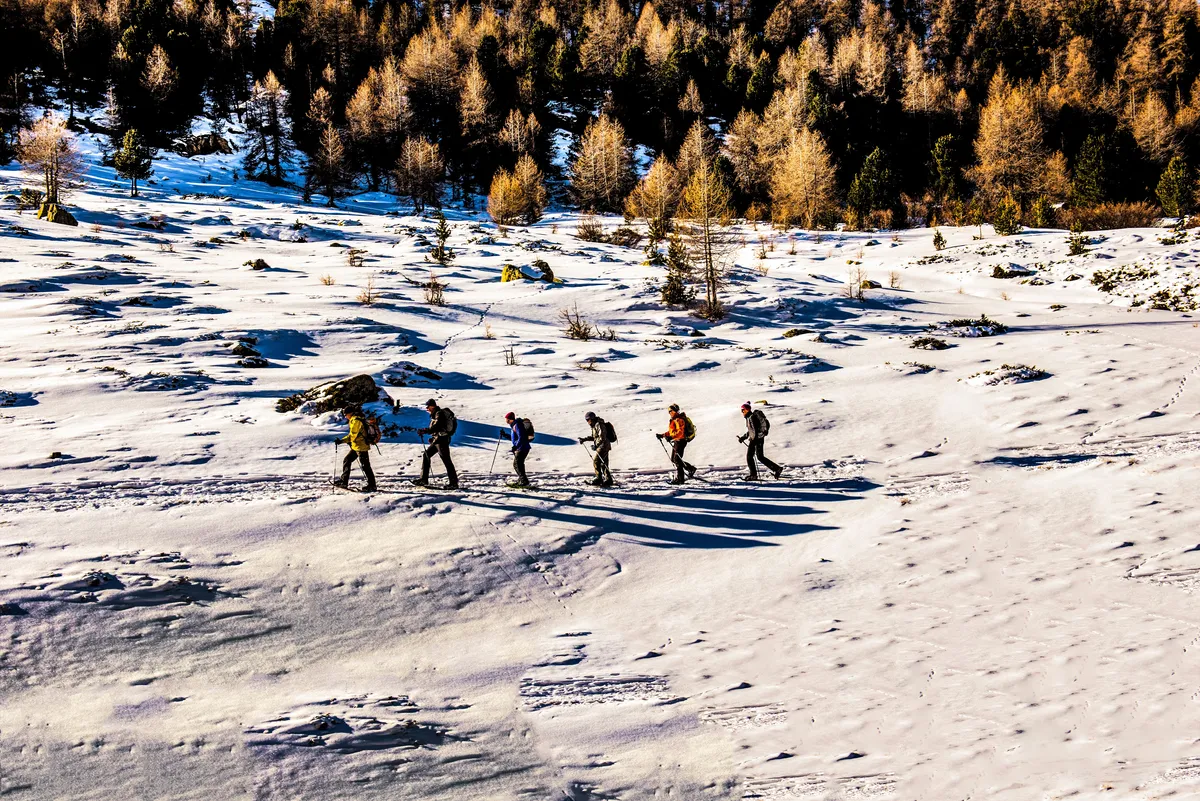
10 Important Role of a Trekking Guide in the Himalayas
Introduction
The Himalayas are among the world’s most remarkable mountain destinations, attracting travelers with towering peaks, peaceful villages, ancient monasteries, and breathtaking landscapes. From the famous Everest Base Camp Trek to the scenic Annapurna and Langtang regions, trekking in Nepal offers experiences that remain memorable long after the journey ends. However, exploring these mountains requires more than physical fitness and a good pair of hiking boots. It also requires preparation, local knowledge, and responsible decision-making.
This is where a trekking guide plays an important role. A professional guide does much more than lead the way along a mountain trail. They help trekkers understand the terrain, recognize potential risks, learn about local traditions, and manage the practical challenges of traveling in remote areas. For first-time visitors, a knowledgeable guide can also make an unfamiliar destination feel more welcoming.
Whether you are planning a short Himalayan hike or a challenging high-altitude adventure, understanding the role of a trekking guide can help you prepare for a safer, more meaningful journey.
1. Ensuring Safety on Himalayan Trails
Safety is one of the most important responsibilities of a trekking guide. Himalayan trails can include steep ascents, rocky paths, narrow sections, suspension bridges, and areas affected by changing weather. Conditions that appear manageable in the morning may become more challenging later in the day. An experienced guide helps assess trail conditions, maintain a suitable walking pace, and explain potential hazards before the group encounters them. They can also advise trekkers when to slow down, take a break, or reconsider continuing along a particular route.
A trekking guide familiar with the region can provide useful information about seasonal conditions and local trail changes. They also help the group follow a sensible daily schedule rather than rushing to reach the next destination. Although no guide can eliminate every mountain risk, professional guidance, good preparation, and responsible decisions can significantly improve a trekking group’s readiness for unexpected situations.
2. Recognizing Altitude Sickness and Supporting Acclimatization
High altitude is one of the biggest challenges of Himalayan trekking. As elevation increases, the amount of oxygen available with each breath decreases, making physical activity more demanding. Some trekkers experience symptoms of acute mountain sickness (AMS), including headaches, nausea, dizziness, fatigue, and difficulty sleeping. A responsible trekking guide helps the group understand the importance of acclimatization and gradual ascent. They monitor how trekkers are feeling, encourage open communication about symptoms, and help the group follow the planned itinerary responsibly.
If someone develops concerning symptoms, the guide should take them seriously and help arrange appropriate medical assessment and evacuation when needed. Severe altitude-related symptoms require urgent action; continuing to ascend can be dangerous. Descending may be necessary, depending on the symptoms and medical advice. It is important to remember that physical fitness does not guarantee protection from altitude sickness. Even strong and experienced hikers can be affected. By prioritizing health over the schedule, a trekking guide helps create a culture in which trekkers feel comfortable speaking up when something does not feel right.
3. Providing Local Knowledge and Navigation
The Himalayas contain an extensive network of trails connecting villages, forests, valleys, rivers, and mountain viewpoints. While maps and digital navigation tools are useful, local knowledge can be equally important when trail conditions change or a route becomes difficult to follow. A knowledgeable trekking guide understands the usual route, nearby settlements, rest stops, and important landmarks. They can explain the day’s walking distance, approximate duration, elevation changes, and the challenges trekkers may encounter.
They also help coordinate practical details such as accommodation, meal stops, and communication with local service providers. This support allows visitors to concentrate more on the journey rather than worrying about every logistical detail. For example, on a multi-day trek toward Everest Base Camp, daily planning involves more than simply walking from one village to another. Elevation, weather, acclimatization, and the group’s condition all influence the day’s decisions. A trekking guide brings these considerations together to help the group follow a more organized and informed itinerary.
4. Helping Trekkers Understand Local Culture and Traditions
The Himalayas are not only about mountains. They are also home to diverse communities with their own languages, customs, festivals, food, architecture, and spiritual traditions. A local guide helps visitors understand the places and people they encounter along the trail. They may explain the significance of prayer flags, mani walls, monasteries, traditional houses, and local celebrations. They can also help trekkers understand appropriate behavior when visiting religious sites or entering someone’s home.
In regions such as Khumbu, Langtang, and Manang, cultural experiences can become an important part of the journey. Conversations with local residents, visits to villages, and opportunities to try traditional food can offer a deeper understanding of life in the mountains. Without local context, travelers might see only beautiful scenery. With the help of a knowledgeable trekking guide, they can better appreciate the stories, traditions, and everyday experiences that make each destination unique. Respectful cultural interpretation also encourages responsible tourism and helps visitors interact with local communities more thoughtfully.
5. Offering Emotional Support and Motivation
Trekking can be physically and mentally demanding, particularly for people experiencing the Himalayas for the first time. Long walking days, cold mornings, steep climbs, unfamiliar food, and limited facilities may challenge even well-prepared travelers. A good trekking guide understands that each person has a different pace, fitness level, and comfort zone. They encourage the group without creating unnecessary pressure and help trekkers approach difficult sections one step at a time.
Sometimes, a few encouraging words or a short rest can make a demanding day feel more manageable. At other times, the most professional decision is to slow down, adjust the plan, or stop when conditions or health require it. A guide also helps reduce uncertainty by explaining what lies ahead and answering questions honestly. This is especially valuable for travelers who are nervous about altitude, remote trails, or their first multi-day trek. The goal is not simply to reach the destination. It is to help people experience the journey with confidence while respecting their individual limits.
6. Responding to Emergencies and Unexpected Challenges
Mountain environments can be unpredictable. Sudden weather changes, injuries, illness, trail damage, or transportation disruptions may affect a trekking itinerary. A professional trekking guide helps the group respond in an organized way. Depending on the situation, this may involve providing appropriate first aid within their training, contacting the trekking agency, communicating with local authorities or medical professionals, and coordinating assistance or evacuation.
Preparation is essential. Before a trek begins, the group should understand its communication arrangements, emergency contacts, insurance coverage, and contingency plans. A guide should also recognize the limits of their knowledge and training. They are not a substitute for a doctor or a specialist rescue team, but their local knowledge and ability to coordinate assistance can be valuable when an emergency occurs. Travelers should purchase suitable insurance that explicitly covers their planned trekking altitude and any necessary emergency evacuation. They should also follow official route advisories and avoid continuing into unsafe conditions simply to maintain a schedule.
7. Making Trekking More Comfortable and Organized
A successful trekking experience depends on many small decisions. Trekkers need places to sleep, meals to eat, water to drink, and enough time to rest between walking days. A trekking guide can help coordinate these arrangements, particularly on popular or remote routes where accommodation availability and daily schedules may vary. They can explain local meal options, help with communication, and share practical advice about facilities along the trail.
For international visitors, these services can make a substantial difference. Language differences and unfamiliar booking practices may otherwise make simple tasks more complicated. A guide can also help travelers understand what to expect in local teahouses, including shared facilities, limited electricity, and basic accommodation at higher elevations. Good organization does not mean every detail will go exactly as planned. Instead, it means having someone who can help the group adapt when circumstances change.
8. Encouraging Responsible and Sustainable Trekking
The natural beauty of the Himalayas depends on the care taken by everyone who visits. Waste, careless behavior, disturbance to wildlife, and disrespect for local customs can negatively affect mountain environments and communities A responsible trekking guide encourages visitors to follow Leave No Trace principles, use waste facilities appropriately, avoid unnecessary plastic, and respect local rules. They can explain why staying on established trails and following protected-area regulations matters.
Guides can also help travelers support local communities by using local accommodation, respecting cultural practices, and purchasing goods and services responsibly. Responsible trekking includes treating porters and other tourism workers fairly, respecting their working conditions, and recognizing the contributions of everyone involved in a journey. By setting a positive example, a trekking guide helps make tourism more beneficial for both visitors and the communities that welcome them.
9. Choosing the Right Trekking Guide in Nepal
The quality of a guide can influence the entire trekking experience, so choosing carefully is important. Travelers should look for someone with relevant experience, good communication skills, sound safety knowledge, and a respectful approach to local communities.
Before booking, consider the following points:
- Qualifications: Ask about relevant training, licensing, and first-aid knowledge.
- Experience: Check whether the guide has experience on your intended route and at its planned elevations.
- Communication: Make sure they can explain the itinerary, risks, and daily arrangements in a language you understand.
- Safety planning: Ask how they approach altitude symptoms, bad weather, injuries, and emergencies.
- Itinerary and costs: Confirm what the service includes, such as meals, accommodation, transportation, and permits.
- Reviews and references: Look for credible feedback from previous trekkers.
- Agency registration: Consider booking through a reputable, government-registered trekking agency.
Travelers should also confirm the current permit and guide requirements for their chosen route. Nepal Tourism Board guidance identifies several major trekking regions and routes where licensed guides and agency-issued TIMS cards are required. Requirements can vary by destination, so check the latest official information before departure.
10. A Trekking Guide Makes the Journey More Meaningful
The most memorable parts of a Himalayan trek are not always the highest viewpoints or the longest walking days. They may be a conversation with a village resident, a quiet sunrise over the mountains, a shared meal in a teahouse, or the satisfaction of completing a difficult section together. A thoughtful trekking guide helps create space for these experiences. By combining local knowledge, practical organization, safety awareness, and genuine hospitality, they help visitors connect with the destination beyond its scenery.
The relationship between a guide and a trekking group is built on communication and trust. Trekkers should share concerns honestly, listen to advice, and respect decisions made for safety. In return, a professional guide should communicate clearly, act responsibly, and treat every member of the group with respect. This partnership can turn a challenging mountain adventure into a more rewarding experience.
Conclusion
The Himalayas offer extraordinary landscapes and unforgettable adventures, but trekking in these mountains requires preparation, awareness, and respect for the environment. A professional trekking guide contributes to this experience through route knowledge, safety planning, altitude awareness, cultural interpretation, logistical support, and encouragement throughout the journey. For first-time visitors, a guide can make an unfamiliar destination easier to understand. For experienced hikers, local expertise can still provide valuable insight and support. Most importantly, a responsible guide understands that the group’s well-being matters more than reaching a particular destination on schedule.
If you are planning your next Himalayan adventure, take time to choose a qualified guide who understands your route, communicates clearly, and prioritizes responsible trekking. With good preparation and the right support, your journey through Nepal’s mountains can become much more than a walk among beautiful peaks it can become an experience you remember for a lifetime.
At Alpine Asian Treks, we believe that a meaningful Himalayan journey begins with thoughtful planning, respect for local culture, and responsible support on the trail. Explore Nepal with a team that values the experience as much as the destination.
Frequently Asked Questions
1. Why is a trekking guide important in the Himalayas?
A trekking guide provides local knowledge, helps organize the itinerary, explains cultural traditions, monitors trekkers’ well-being, and assists with emergency coordination when needed.
2. Is hiring a trekking guide compulsory in Nepal?
Guide requirements depend on the trekking region and route. Nepal Tourism Board guidance lists several routes where licensed guides and agency-issued TIMS cards are required. Check current official rules before traveling.
3. Can a trekking guide help prevent altitude sickness?
A guide can support gradual ascent, encourage acclimatization, recognize warning signs, and help arrange medical assistance. However, no guide can guarantee that altitude sickness will not occur.
4. What should I check before hiring a trekking guide?
Check relevant qualifications, route experience, communication skills, safety training, references, service inclusions, and whether the guide is arranged through a reputable trekking agency.
5. Does a trekking guide help with accommodation and meals?
Many trekking guides assist with coordinating teahouse accommodation and meal stops. The exact services depend on the booking arrangement, so confirm inclusions before departure.
6. How does a trekking guide improve the cultural experience?
A local guide can explain traditions, religious sites, local food, village life, and appropriate cultural etiquette, helping visitors better understand the communities they encounter.
Planning a trek in Nepal? Explore the trekking routes and travel services available through Alpine Asian Treks and prepare for your Himalayan adventure with reliable local support.