
Dal Bhat: Everything You Need to Know
18 Aug 2026 Alpine Asian Treks
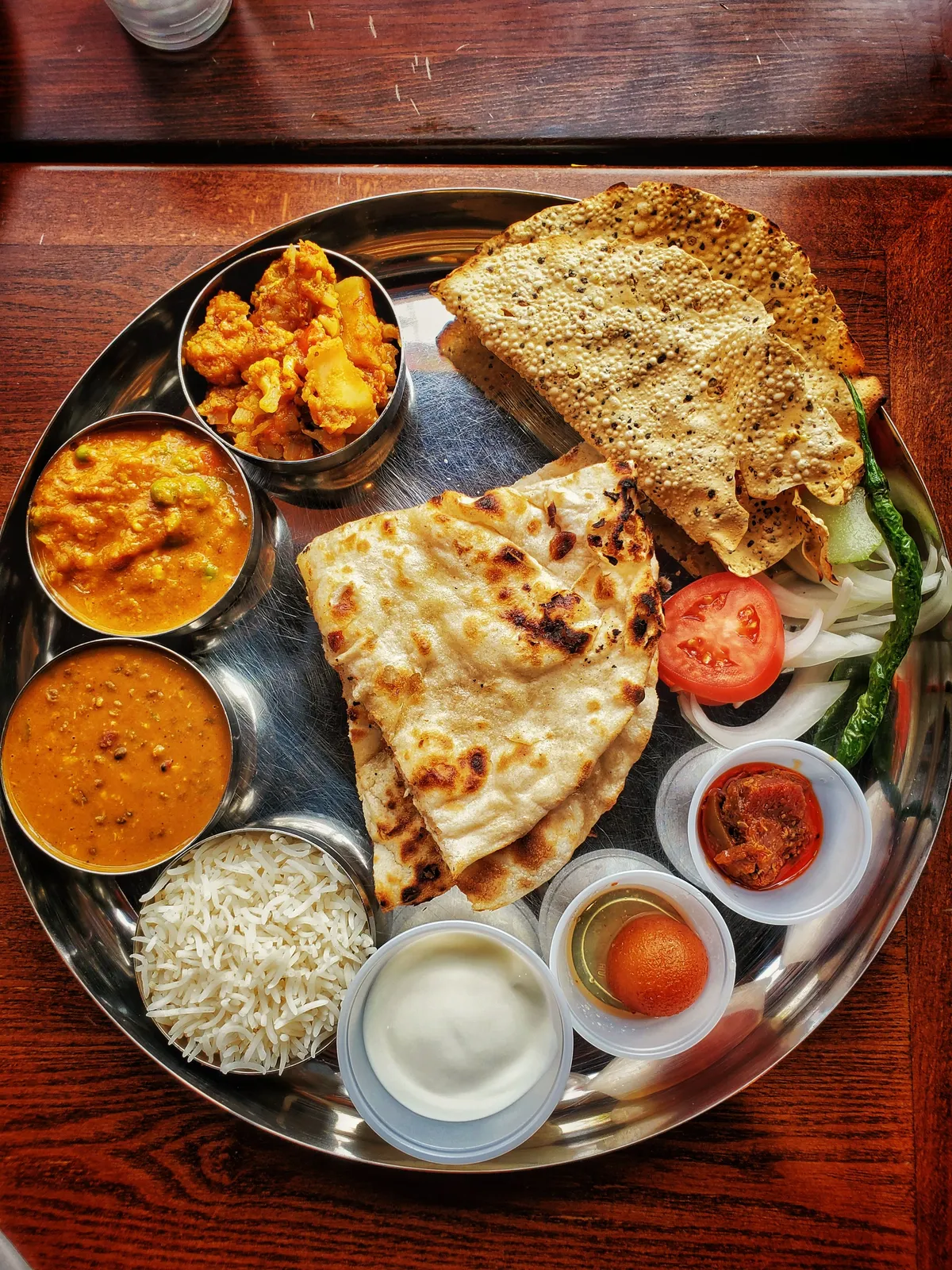
Dal Bhat is Nepal’s staple meal, consisting of steamed rice and lentil soup often served with vegetable curry, greens, and spicy pickles. It serves as a primary source of daily nutrition and energy for both locals and travelers. This versatile dish reflects Nepal’s regional diversity and cultural hospitality.
The meal is particularly popular among trekkers due to its high caloric value and widespread availability in mountain teahouses. While simple, it offers a balance of flavors through various side dishes and spices. It is traditionally eaten by hand and remains a central part of the Nepalese dining experience.
Dal Bhat: Everything You Need to Know
If you are planning a trip to Nepal, there is one meal you will probably hear about again and again: Dal Bhat. It is more than just a popular dish it is a major part of everyday life, culture, hospitality, and travel in Nepal. For many travelers, their first experience with Dal Bhat happens in a small local restaurant, a family kitchen, or a teahouse somewhere in the mountains. A plate of warm rice, flavorful lentil soup, vegetables, pickles, and other side dishes may look simple at first, but once you taste it, you quickly understand why it is such an important part of Nepali cuisine.
Whether you are visiting Kathmandu, exploring Pokhara, going on a jungle safari in Chitwan, or trekking in the Himalayas, trying Dal Bhat is one of the easiest ways to experience a piece of Nepalese culture through food. In this guide, we will explain what Dal Bhat is, what it contains, how it is eaten, why it is so popular, how much it costs, and what you should expect when trying it in Nepal.
What Is Dal Bhat?
Dal Bhat is a traditional Nepali meal made mainly from two basic ingredients: dal, meaning lentils, and bhat, meaning cooked rice. However, Dal Bhat is rarely just rice and lentils. A typical serving can include rice, lentil soup, vegetable curry, leafy greens, pickles, salad, and sometimes meat or other side dishes. The exact ingredients depend on the restaurant, region, season, and family preparing the meal. One of the best things about Dal Bhat is its simplicity.
The ingredients are generally familiar, but the combination of spices, cooking methods, and side dishes gives the meal its distinct Nepali character. For many Nepali people, Dal Bhat is an everyday meal rather than something reserved for special occasions. It is commonly eaten for lunch and dinner and can be prepared in countless variations.
Why Is Dal Bhat So Important in Nepal?
Food is closely connected with culture, and Dal Bhat is one of the clearest examples of this in Nepal. Rice has traditionally been an important staple in many parts of the country, while lentils provide a valuable source of plant-based protein. Vegetables, pickles, and other side dishes add different flavors and nutrients to the meal. But there is another reason Dal Bhat has become so popular: it is filling. Nepal is a country where many people live active lifestyles, particularly in rural and mountainous areas.
A warm plate of rice and lentils provides plenty of energy for the day. You will also notice that Nepali meals often have a balance of different flavors. The mild rice and dal can be combined with spicy pickles, vegetables, curries, and fresh greens. This makes every bite slightly different.
What Does a Typical Dal Bhat Plate Include?
A traditional plate of Dal Bhat can look different depending on where you eat it. However, several components are commonly found.
1. Bhat – Rice
Rice is usually the main part of the meal. Steamed white rice is the most common option, although some restaurants and households may serve other varieties of rice depending on availability. The rice acts as the base for the rest of the meal. You can mix it with dal, vegetables, curry, or pickles to create different combinations.
2. Dal – Lentil Soup
Dal is a soup made from lentils cooked with water, spices, and other ingredients. Different types of lentils can be used, and the taste can range from mild and creamy to more strongly spiced. Dal is poured over the rice and mixed together before eating. It gives the meal moisture and adds a comforting, savory flavor.
3. Tarkari – Vegetable Curry
Tarkari generally refers to cooked vegetables or vegetable curry. Depending on the season and location, you might find potatoes, cauliflower, beans, cabbage, pumpkin, spinach, peas, or other vegetables. This is one of the reasons you may never eat exactly the same Dal Bhat twice.
4. Saag – Leafy Greens
Saag usually refers to cooked leafy green vegetables. The type of greens used can vary according to the season and region. Saag adds another texture and flavor to the meal and is often lightly seasoned.
5. Achar – Pickle
If you enjoy spicy food, achar might become your favorite part of the meal. Nepali pickles can be made from tomatoes, radish, chili, sesame, fermented vegetables, or other ingredients. Some are spicy, while others have a sour, salty, or smoky taste. A small amount of achar can completely change the flavor of the rice and dal.
6. Meat Curry
While traditional Dal Bhat can be completely vegetarian, meat is often available as an additional option. Chicken, mutton, buffalo, or other meats may be served depending on the restaurant and region. If you order a non-vegetarian Dal Bhat, the meat curry is usually served alongside the rice, dal, and vegetables.
7. Salad
Some restaurants serve fresh cucumber, carrot, radish, onion, or other vegetables as a simple salad. It adds a refreshing contrast to the warm rice, curry, and spicy pickle.
How Do Nepali People Eat Dal Bhat?
Traditionally, Dal Bhat is eaten with the right hand. If you are a visitor, you may see Nepali people mixing the rice with dal and other dishes using their fingers before eating. This may seem unfamiliar at first, but it is an important part of the traditional dining experience. Of course, restaurants also provide spoons and forks, so you can use whichever method you are comfortable with.
If you want to try eating Dal Bhat traditionally, wash your hands thoroughly before the meal and use your right hand. One interesting thing about Dal Bhat is that it is often served generously. In many places, you can ask for additional rice, dal, or vegetables. That is especially useful after a long day of walking.
Is Dal Bhat Vegetarian?
Yes, Dal Bhat can easily be vegetarian. In fact, a basic Dal Bhat meal with rice, lentils, vegetables, greens, and pickles is completely vegetarian. However, meat and other non-vegetarian dishes can be added depending on the restaurant. If you are vegetarian or vegan, it is usually easy to find suitable Dal Bhat in Nepal, although you should clearly communicate your dietary preferences when ordering. Travelers with allergies or strict dietary requirements should also ask about ingredients before eating.
Is Dal Bhat Healthy?
For many people, Dal Bhat can be a nutritious and satisfying meal. The combination of rice and lentils provides carbohydrates and plant-based protein, while vegetables and leafy greens add fiber, vitamins, and minerals. The exact nutritional value depends on how the meal is prepared and what is included.
For travelers, particularly those spending days hiking or exploring, the meal can be useful because it provides plenty of energy. However, some versions may contain considerable amounts of oil, salt, or butter, especially when additional curries are included. As with any food, balance matters.
Why Do Trekkers Love Dal Bhat?
If you spend time trekking in Nepal, you will quickly understand the famous phrase associated with the dish:
“Dal Bhat Power, 24 Hour.”
You will see Dal Bhat on menus in teahouses and lodges along many popular trekking routes. There is a practical reason for its popularity. A long day of trekking requires energy. Dal Bhat provides a filling combination of rice, lentils, vegetables, and other side dishes. It is also familiar, relatively simple to prepare, and widely available.
After several hours of walking through forests, villages, rocky trails, and mountain landscapes, sitting down to a hot plate of Dal Bhat can feel like exactly what you need. For many trekkers, it becomes part of the trekking experience itself.
Dal Bhat During a Himalayan Trek
One of the interesting things about eating Dal Bhat during a trek is that the experience changes as you move through different regions. In lower-altitude villages, you may find a wide variety of ingredients and dishes. As you climb higher, menus can become more limited because transporting food to remote mountain settlements is more difficult. Even then, Dal Bhat often remains a reliable choice.
You might finish a cold morning hike, arrive at a mountain teahouse, sit beside a warm dining area, and wait for a steaming plate of rice and dal. The food may be simple, but the setting makes it memorable. Imagine eating Dal Bhat while looking out toward snow-covered Himalayan peaks. That is an experience you are unlikely to forget.
How Much Does Dal Bhat Cost in Nepal?
The price of Dal Bhat varies depending on where you eat. A basic meal at a local restaurant can be relatively inexpensive, while prices in tourist areas, hotels, and mountain trekking regions can be higher. In Kathmandu and Pokhara, you will find everything from simple local eateries to restaurants offering more elaborate versions. During trekking, food prices generally increase with altitude and remoteness because ingredients have to be transported to mountain communities. Therefore, a plate of Dal Bhat in a remote Himalayan village can cost significantly more than a similar meal in Kathmandu. Prices also change over time, so it is best to check the current menu when ordering.
Where Can You Try Dal Bhat in Nepal?
One of the best things about this meal is that you do not need to search very hard for it. You can find Dal Bhat in many parts of Nepal.
Kathmandu
Kathmandu has everything from small local restaurants to modern restaurants serving traditional Nepali cuisine. If you want an authentic experience, try a traditional Nepali restaurant or a local eatery away from the busiest tourist streets.
Pokhara
Pokhara is another excellent place to try Dal Bhat. After exploring the lakeside area or preparing for a Himalayan adventure, a traditional Nepali meal can be a great introduction to local food.
Chitwan
If you visit Chitwan for a jungle safari, you can also find Nepali meals featuring rice, dal, vegetables, and local specialties.
Mountain Teahouses
For trekkers, mountain teahouses are one of the most memorable places to enjoy Dal Bhat. The surroundings make the experience completely different from eating the same meal in a city restaurant.
Dal Bhat vs Other Nepali Foods
Nepali cuisine has much more to offer than Dal Bhat. During your trip, you should also consider trying:
- Momo
- Thukpa
- Sel roti
- Newari dishes
- Gundruk
- Chow mein
- Chatamari
- Yomari
- Dhido
- Bara
- Samosa
- Tibetan-influenced dishes
Still, Dal Bhat remains one of the most recognizable everyday meals in Nepal. If you only have time to try a few Nepali dishes, adding Dal Bhat to your list is a good idea.
Regional Variations of Dal Bhat
Nepal is incredibly diverse, and food changes from one region to another. The basic idea of Dal Bhat remains familiar, but the ingredients and flavors can be very different. In some areas, you may find stronger spices or different vegetables. In mountain regions, locally available ingredients may influence the meal. Newari cuisine in the Kathmandu Valley also offers a completely different range of flavors and traditional dishes.This regional diversity is one of the best reasons to explore Nepal through food.
What Makes Nepali Dal Bhat Different?
Rice and lentils are eaten in many countries around the world, so what makes Nepali Dal Bhat special? A large part of the answer is the combination of side dishes. Instead of eating rice and lentils alone, you can combine them with vegetables, greens, pickles, curry, salad, and other accompaniments. The balance of spicy, sour, salty, mild, and savory flavors creates a meal that is simple but surprisingly versatile. The food also carries a strong cultural connection. For many Nepali families, sharing a meal is part of daily life and hospitality. Visitors are often welcomed with food, and Dal Bhat is one of the meals that represents that hospitality.
Tips for First-Time Visitors Trying Dal Bhat
If this is your first time trying Nepali food, here are a few simple tips.
Start with a traditional version
Try a classic vegetarian Dal Bhat before experimenting with more elaborate variations. It gives you a good idea of the basic flavors.
Be careful with the pickle
Nepali achar can be spicy. If you are not used to chili, start with a small amount. You can always add more.
Don’t be surprised by generous portions
Dal Bhat is designed to be filling. If you are trekking, that large portion of rice can be exactly what you need.
Ask questions
Restaurant staff are usually happy to explain unfamiliar dishes. If you are unsure whether something contains meat, dairy, or specific spices, simply ask.
Try different places
Do not judge Dal Bhat based on your first plate. A home-style version, a city restaurant version, and a mountain teahouse version can all taste very different.
Dal Bhat and Nepali Hospitality
One of the most memorable things about traveling in Nepal is the hospitality. Food is often an important part of welcoming guests. You may find that people are more interested in making sure you have eaten than in simply serving you a meal.Dal Bhat fits naturally into this culture. A warm plate of food shared after a long day can create a sense of comfort even when you are far from home. That is one reason food experiences can become some of the strongest memories from a Nepal trip.
Why You Should Try Dal Bhat on Your Nepal Trip
Travel is not only about seeing famous mountains, temples, lakes, and cities. It is also about experiencing everyday life. Trying Dal Bhat allows you to experience something that is deeply connected to ordinary life in Nepal. You can eat it in a busy Kathmandu restaurant, enjoy it beside Phewa Lake in Pokhara, or have it at a quiet mountain teahouse during a Himalayan trek. Each experience tells a slightly different story. And honestly, after a long day of exploring Nepal, few things beat sitting down to a hot, comforting plate of rice, dal, vegetables, and pickle.
Experience Nepal Beyond the Mountains
Nepal is famous around the world for the Himalayas, but there is much more to discover. From the historic streets of Kathmandu and the peaceful lakes of Pokhara to the jungles of Chitwan, ancient cultural sites, traditional villages, adventure activities, and incredible food, Nepal offers experiences for many different types of travelers. At Alpine Asian Treks, we believe that experiencing Nepal is about more than simply reaching a destination. It is about discovering the landscapes, culture, food, people, and experiences that make the country special. Whether you want to explore Nepal’s famous trekking routes, experience its culture, enjoy adventure activities, or discover destinations beyond the mountains, our team can help you plan a memorable journey around Nepal.
Final Thoughts
Dal Bhat may look like a simple meal, but it represents much more than rice and lentils. It is part of everyday Nepali life, a source of energy for travelers and trekkers, a symbol of hospitality, and an easy way for visitors to connect with Nepalese food culture. From local restaurants in Kathmandu to mountain teahouses along Himalayan trails, you will find different versions of this traditional meal throughout Nepal. So when you visit Nepal, do not just photograph the mountains and temples. Sit down, order a plate of Dal Bhat, mix the rice with dal, try a little achar, and enjoy the experience.
You might arrive in Nepal looking for mountains and adventures, but sometimes it is the simplest meal that becomes one of your favorite memories. Planning to experience Nepal beyond its food? Explore our trekking and travel experiences with Alpine Asian Treks, and discover Nepal’s mountains, culture, villages, and unforgettable Himalayan trails.