
Best Winter Treks in Nepal for 2026
17 Nov 2026 Alpine Asian Treks
Introduction
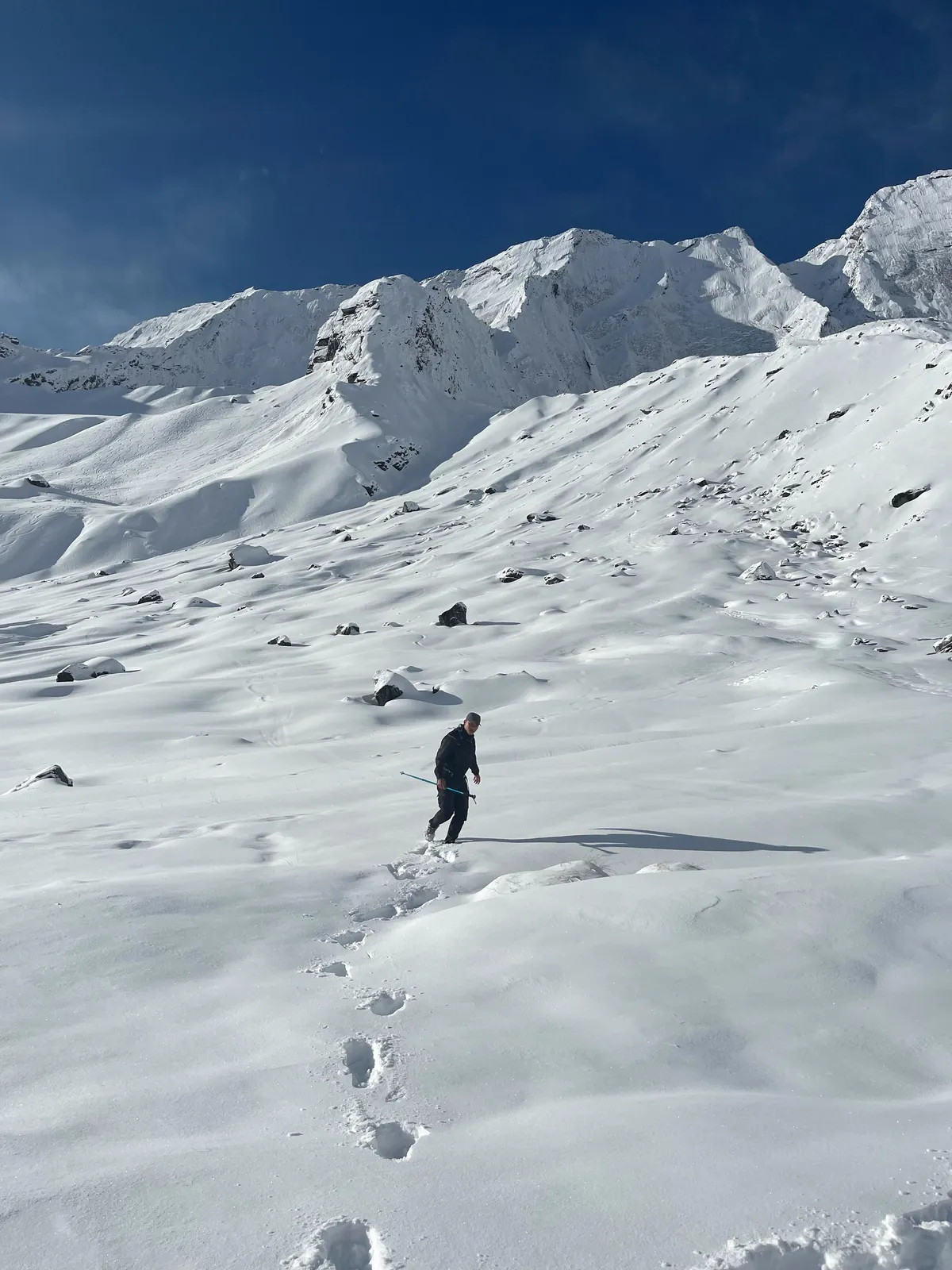
Nepal is famous for its Himalayan mountains, beautiful landscapes, and incredible trekking experiences. While spring and autumn are considered the most popular trekking seasons, winter offers a different kind of adventure. Snow-covered mountains, peaceful trails, clear skies, and fewer crowds make this season attractive for travellers who want to explore the Himalayas. Winter Trekking in Nepal is a wonderful opportunity to experience the country’s natural beauty in a quieter atmosphere.
From the famous Ghorepani Poon Hill trail to the breathtaking views of the Everest region, there are several routes that can be enjoyed during the colder months. Winter in Nepal generally lasts from December to February. Although temperatures can become very cold at higher elevations, many lower and mid-altitude trekking routes remain suitable with proper preparation.
If you are planning a Himalayan adventure, here are some of the best winter treks in Nepal for 2026.
1. Ghorepani Poon Hill Trek
The Ghorepani Poon Hill Trek is one of the best choices for Winter Trekking in Nepal, especially for beginners and travellers with limited time. Located in the Annapurna region, this route offers beautiful mountain scenery, traditional villages, and peaceful forest trails. One of the main highlights is the early-morning hike to Poon Hill, where trekkers can enjoy a spectacular sunrise over the Annapurna and Dhaulagiri mountain ranges. During winter, the surrounding hills may receive snowfall, creating a beautiful mountain atmosphere.
The route also passes through charming Gurung and Magar villages, where visitors can experience local hospitality and culture. Its relatively lower altitude makes Poon Hill a popular winter option, although icy trails and cold mornings are still possible.
2. Mardi Himal Trek
The Mardi Himal Trek is a beautiful short trekking adventure in the Annapurna region. It is known for its peaceful trails, beautiful forests, and close-up views of Machhapuchhre, also known as Fishtail Mountain. The trail passes through rhododendron forests, traditional settlements, and open ridges before reaching higher viewpoints. During winter, the upper sections can receive snowfall, giving the landscape a completely different appearance.
For travellers interested in Winter Trekking in Nepal, Mardi Himal can be a rewarding option, particularly in early December and suitable conditions later in winter. However, the trail above High Camp can become icy, windy, and difficult after snowfall. Trekkers should check the latest trail conditions and travel with an experienced guide before attempting the higher sections.
3. Everest View Trek
The Everest View Trek is an excellent option for travellers who want to experience the beauty of the Everest region without completing the full Everest Base Camp journey. The trek usually begins with a flight to Lukla and continues through beautiful Sherpa villages, suspension bridges, and mountain landscapes. Namche Bazaar is one of the major highlights, offering a chance to explore local markets and experience Sherpa culture.Trekkers can also visit Tengboche Monastery, one of the most famous cultural landmarks in the Everest region.
From the surrounding viewpoints, visitors can enjoy impressive views of Mount Everest, Ama Dablam, Lhotse, and other Himalayan peaks. During winter, the region becomes colder, but clear days can offer wonderful mountain views. This route is a good choice for Winter Trekking in Nepal for those who want to experience the Everest region without going all the way to base camp.
4. Langtang Valley Trek
The Langtang Valley Trek is a beautiful Himalayan journey located north of Kathmandu. It is known for its mountain scenery, traditional Tamang villages, forests, and peaceful surroundings. The trail passes through places such as Lama Hotel and Langtang Village before reaching Kyanjin Gompa. This beautiful settlement is surrounded by impressive mountains and offers opportunities to explore nearby viewpoints. Winter brings colder temperatures and possible snowfall to the upper valley. The scenery can be especially beautiful when the surrounding mountains and landscapes are covered in snow.
Winter Trekking in Nepal in the Langtang region is suitable for prepared trekkers who are comfortable with cold conditions. Before travelling, check road access, accommodation availability, and current trail conditions, as winter weather and local infrastructure can affect the journey.
5. Khopra Danda Trek
Khopra Danda is a rewarding trekking destination for those looking for beautiful mountain views and a quieter alternative to some of Nepal’s busier trails.The route passes through traditional villages, forests, and open hillsides before reaching Khopra Ridge. From the viewpoint, trekkers can enjoy impressive panoramas of the Annapurna and Dhaulagiri ranges. One of the additional attractions is Khayer Lake, a high-altitude lake that some trekkers visit as an extension of the journey.
However, this side trip is more challenging and may not be suitable during heavy snowfall. For Winter Trekking in Nepal, Khopra Danda can be an attractive choice because much of the route is at a more manageable altitude than major high-pass treks. Snow and ice can still affect the upper trail, so local guidance is important.
6. Pikey Peak Trek
Pikey Peak is a wonderful trekking destination in the lower Everest region. It is known for its panoramic Himalayan views, peaceful trails, and traditional Sherpa settlements. The trek offers an opportunity to experience local culture while enjoying beautiful landscapes away from some of the more crowded trekking routes. One of the biggest highlights is reaching Pikey Peak for sunrise. On a clear day, trekkers can enjoy a wide mountain panorama that includes Mount Everest and several other Himalayan peaks.
Winter Trekking in Nepal around Pikey Peak can be particularly rewarding because the clear winter atmosphere often creates beautiful mountain views. However, the summit trail may become snowy or icy, so checking the weather and trail conditions is essential.
7. Annapurna Base Camp Trek
The Annapurna Base Camp Trek takes you into the heart of the Annapurna Sanctuary, surrounded by spectacular Himalayan peaks. The journey passes through beautiful forests, rivers, waterfalls, and traditional villages. As you gain altitude, the landscape gradually changes into an impressive mountain environment. At Annapurna Base Camp, trekkers are surrounded by towering peaks, including Annapurna I, Machhapuchhre, and Hiunchuli. Although the trek can be completed in some winter conditions, heavy snowfall may affect the upper trail.
There can also be increased avalanche danger in certain sections of the sanctuary. For Winter Trekking in Nepal, Annapurna Base Camp should be considered only after checking the latest weather, snow conditions, and local advice. It is more suitable for experienced and well-prepared trekkers than for people looking for an easy winter walk.
8. Everest Base Camp Trek
The Everest Base Camp Trek is one of the most famous trekking adventures in the world. It takes travellers through the beautiful Khumbu region, offering spectacular mountain scenery and opportunities to experience Sherpa culture. The route passes through Namche Bazaar, Tengboche, Dingboche, and Gorak Shep before reaching Everest Base Camp. Kala Patthar is another major highlight, offering incredible views of Mount Everest and surrounding peaks.
During winter, temperatures in the Everest region can become extremely cold, especially at higher elevations. Snow, icy trails, and limited accommodation availability may also make the journey more challenging. Winter Trekking in Nepal to Everest Base Camp is possible for experienced and properly equipped trekkers when conditions allow. It is important to plan extra days, follow a suitable acclimatization schedule, and remain flexible with the itinerary.
Why Choose Winter for Trekking in Nepal?
Winter offers a different experience compared with the busy spring and autumn seasons. While colder temperatures can create challenges, there are several reasons why travellers choose this time of year.
- Clear mountain views: Dry weather often provides excellent visibility, especially during clear mornings.
- Fewer crowds: Many trekking routes are quieter, allowing visitors to enjoy a more peaceful experience.
- Beautiful snowy landscapes: Higher elevations and mountain viewpoints may receive snowfall.
- Cultural experiences: Trekkers can explore traditional villages and learn about local lifestyles.
- Peaceful trails: Some popular routes feel less busy than during peak trekking months.
These advantages make Winter Trekking in Nepal appealing to travellers who enjoy quiet trails and cold-weather adventures.
Best Months for Winter Trekking in Nepal
Winter in Nepal generally covers December, January, and February. Each month offers a slightly different trekking experience.
December: Early December is often a good time for winter trekking. Many lower and mid-altitude routes offer clear skies, although temperatures become colder as the month progresses.
January: January is generally the coldest month. Snowfall and icy trails can affect higher routes, so lower-altitude treks such as Poon Hill are often better choices.
February: Temperatures gradually begin to rise, particularly towards the end of the month. Some higher routes may become more manageable depending on snowfall and weather conditions.
The best month for Winter Trekking in Nepal depends on your chosen route, altitude, experience, and the conditions during your travel dates.
What to Pack for Winter Trekking in Nepal
Packing the right equipment is essential for a comfortable and safe winter trekking experience. Temperatures can change significantly between lower villages and higher mountain locations.
Here are some important items to bring:
- Warm down jacket
- Thermal base layers
- Waterproof and windproof jacket
- Warm trekking trousers
- Insulated gloves and warm socks
- Woollen hat and neck warmer
- Comfortable waterproof trekking boots
- Sunglasses and sunscreen
- Headlamp with extra batteries
- Reusable water bottle
- Personal first-aid kit
- Sleeping bag suitable for expected temperatures
- Trekking poles and microspikes where icy trails are expected
For higher-altitude routes, make sure your sleeping bag and clothing are suitable for below-freezing temperatures. Your guide can help you understand the equipment needed for your specific itinerary.
Important Safety Tips for Winter Trekking
Winter trekking requires extra preparation because cold temperatures, snowfall, and icy trails can create additional risks.
Here are some important tips to remember:
- Check weather conditions: Always check the latest forecast before starting your trek and before attempting higher viewpoints.
- Choose the right route: Select a trekking route that matches your fitness, experience, and comfort with cold weather.
- Acclimatize properly: Give your body enough time to adjust to altitude and never ignore symptoms of altitude sickness.
- Start early: Winter daylight hours are shorter, so plan your walking time carefully.
- Stay hydrated: Drink enough water even when the weather is cold.
- Use suitable equipment: Carry warm clothing, proper footwear, and traction equipment when needed.
- Travel with an experienced guide: A knowledgeable guide can help assess trail conditions and adjust your itinerary when necessary.
- Keep extra days: Weather can cause delays, especially on routes involving mountain flights or higher elevations.
During Winter Trekking in Nepal, never attempt a high mountain pass or continue through unsafe snow conditions just to follow a planned itinerary. Safety should always come first.
Why Choose Alpine Asian Treks?
Alpine Asian Treks helps travellers explore Nepal through memorable trekking experiences. From choosing the right route to arranging experienced guides and accommodation, our team makes your journey comfortable and enjoyable. Whether you choose Poon Hill, Mardi Himal, or another Himalayan adventure, we are here to help you explore Nepal.
Explore Nepal with Alpine Asian Treks.
Conclusion
Winter is a beautiful time to discover a quieter side of Nepal. Snow-covered mountains, clear morning skies, peaceful trails, and traditional mountain villages create memorable experiences for travellers. From the easy-to-moderate Ghorepani Poon Hill Trek to the challenging Everest Base Camp journey, Nepal offers different options for people with different trekking interests and experience levels. The key to enjoying Winter Trekking in Nepal is choosing the right route, preparing for cold temperatures, and checking the latest trail and weather conditions before departure.
Explore our wide range of trekking packages and discover the beauty of Nepal’s Himalayas with experienced local guides. Visit Alpine Asian Treks to plan your next unforgettable Himalayan adventure.