
Coffee in Nepal
22 Feb 2025 Alpine Asian Treks
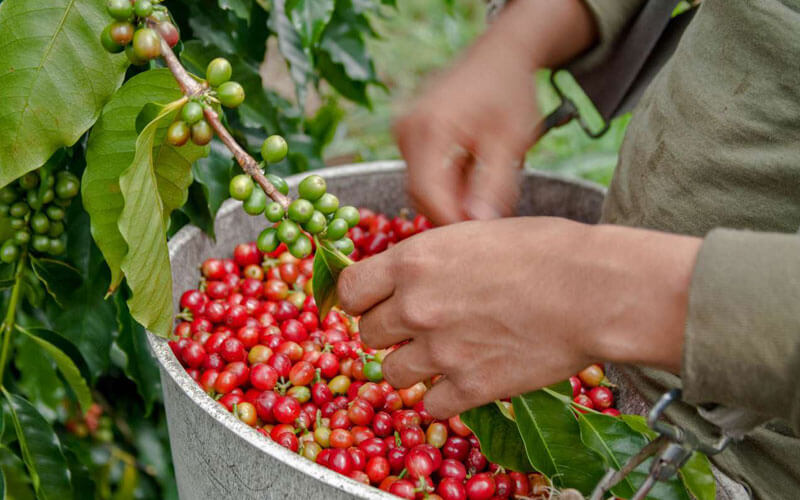
Coffee is trending in Nepal like to other parts of the world.
Coffee from Nepal is gaining recognition in the global specialty coffee market for its unique flavor profiles and high-quality beans. Here are the key facts about Nepalese coffee:
1. History of Coffee in Nepal: Coffee cultivation in Nepal began relatively recently, in the 1930s, when seeds were brought from Myanmar. However, it wasn’t until the 1980s that coffee started to be grown more widely, particularly in the hilly regions of the country.
2. Growing Regions: The coffee-growing regions in Nepal are the mid-hills of the Himalayas, including areas like Sindhupalchok, Kavrepalanchok, Nuwakot, Lalitpur, Palpa and Gulmi. These regions offer ideal conditions for coffee cultivation, with altitudes ranging from 800 to 1,600 meters above sea level, rich soil, and a temperate climate.
3. Varieties: The most commonly grown coffee varieties in Nepal are Arabica, which is known for its smooth, complex flavors. Some of the popular Arabica varieties include Typica, Bourbon, and Caturra.
4. Flavor Profile: Nepalese coffee is often described as having a mild, sweet, and slightly fruity flavor with a clean finish. The unique terroir of the Himalayan region contributes to its distinct taste, which can include notes of citrus, floral, and nutty undertones.
5. Organic Farming: Many Nepalese coffee farmers practice organic farming methods, avoiding the use of synthetic fertilizers and pesticides. This not only enhances the quality of the coffee but also makes it more appealing to environmentally conscious consumers.
6. Challenges: Despite its potential, the Nepalese coffee industry faces several challenges, including limited infrastructure, lack of access to international markets, and the need for more advanced processing techniques. However, efforts are being made to improve these aspects through government initiatives and support from various non-governmental organizations.
7. Economic Impact: Coffee farming provides an important source of income for many rural communities in Nepal. It also offers an alternative to traditional crops, helping to diversify agricultural practices and improve livelihoods.
8. Global Recognition: In recent years, Nepalese coffee has started to gain international acclaim. It has been featured in various coffee competitions and festivals, and specialty coffee shops around the world are beginning to offer Nepalese coffee to their customers. Overall, Nepalese coffee is a hidden gem in the world of specialty coffee, offering unique flavors and a story of sustainable, community-driven agriculture. If you have the chance to try it, it’s definitely worth experiencing Nepal Coffee.